Bone Grafting for Implants in Glendale AZ
Bone grafting for implants in Glendale AZ can help rebuild lost jawbone and create the support needed for successful dental implant placement. At A & A Family Dentistry, bone grafting is used when natural bone volume is not sufficient to securely support an implant, especially after tooth loss, long-term bone shrinkage, or certain upper-jaw limitations.
Do I Have Enough Bone for Dental Implants?
Not every patient has enough healthy bone for immediate dental implant placement. After a tooth is lost or removed, the surrounding bone can shrink over time. En algunos casos, the socket walls are thick enough to fill in naturally, but when the bone is thin or the extraction site is more delicate, healing may be less predictable. That is where bone grafting can help preserve or rebuild the foundation needed for implants.
Why Bone Volume Matters
Dental implants need enough bone for stability and long-term support. If the ridge is too narrow, too short, or weakened by past tooth loss, an implant may not have the structure it needs. Bone grafting helps create a stronger site for future restoration.
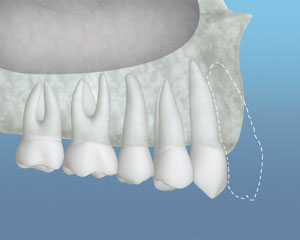
1. Ósea inadecuada
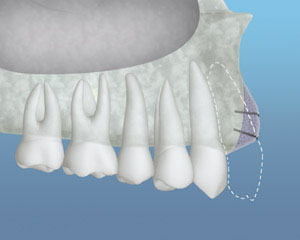
2. Injerto colocado
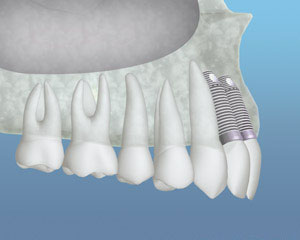
3. Implantes colocados
Bone Grafting at the Time of Tooth Extraction
When a tooth is being removed, bone grafting may be recommended right away to help preserve the width and height of the socket. This is often called socket preservation and can be especially useful in areas where the natural bone walls are thin. By grafting the site at the time of extracción dental, it may be easier to maintain the bone volume needed for implant placement several months later.
Why Early Grafting Can Help
Once a tooth is gone, the body starts remodeling the bone in that area. Acting early can reduce the amount of shrinkage that happens after extraction and improve the chances of a more predictable implant site later on.
Do You Need More Information on Bone Grafting for Implants? Llamada A & A Family Dentistry Phone Number 623-218-2222 Hoy
Libro en línea Especiales para pacientes nuevos Instrucciones
Bone Grafting for Thin or Shrunken Ridges
If a tooth was removed many years ago, the bony ridge may have become too thin for direct implant placement. In this situation, a bone graft may be placed next to the thin ridge and allowed to heal before the implant is placed. Once the graft has integrated with the existing bone, the site can be re-evaluated and prepared for implant treatment.
When Delayed Implant Placement Makes Sense
Some implant sites are ready immediately, but others need time to heal after grafting. Giving the graft time to mature can improve the quality and volume of bone available for the final implant.
What Materials Are Used for Bone Grafting?
There are several different bone-grafting materials that may be used depending on the treatment site and the goals of the procedure. En algunos casos, your own bone may be used, while other grafting materials may also be appropriate. You can learn more about common materiales de injerto óseo as part of the overall treatment planning process.
The Goal Is Site Support
The specific graft material matters less to patients than the result: building enough healthy support for a stable implant. The right choice depends on anatomy, healing needs, and the type of implant site being prepared.
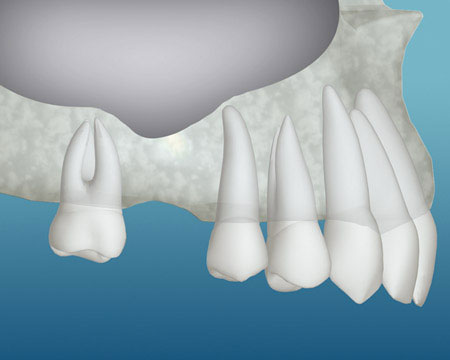
1. Ósea inadecuada
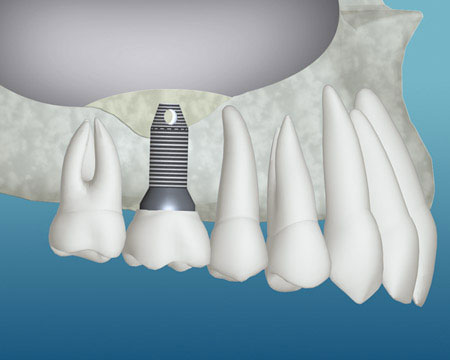
2. Material de injerto y el implante colocado
When Is a Sinus Graft Needed?
Patients missing teeth in the back of the upper jaw may not always have enough bone height for an implant because the sinus cavity extends into that area. When this happens, un procedimiento de injerto de seno may be recommended to add bone below the sinus and improve implant support. En algunos casos, this can be performed at the same time as implant placement.
Why the Upper Back Jaw Can Be Challenging
The upper back jaw often loses usable bone height after teeth have been missing for a long time. A sinus graft helps create the vertical space needed so implants can be placed with better support and stability.
Benefits of Bone Grafting for Implants
- Helps create or preserve bone needed for implant placement
- Can improve long-term implant stability
- May reduce the impact of post-extraction bone shrinkage
- Supports treatment in areas with thin or weakened ridges
- Can make implant treatment possible in sites that otherwise lack support
It Expands Treatment Options
Para muchos pacientes, bone grafting is what makes implant treatment possible in the first place. Without enough bone, the best implant plan may not be achievable. With grafting, the site may become much more workable.
Bone Grafting for Implants vs. General Bone Grafting
This page is focused specifically on bone grafting done to support future dental implants. Patients may also want to review our broader injerto de hueso information for related procedures, including ridge preservation, injerto de seno, and other grafting needs that may or may not be tied directly to implants.
Who May Be a Good Candidate for Bone Grafting for Implants?
Patients who have lost bone after tooth extraction, have narrow ridges, or have limited bone height in the upper jaw may be candidates for bone grafting before implant placement. A clinical evaluation and imaging review are needed to determine whether the site has enough support already or would benefit from grafting first. According to the Cleveland Clinic, dental bone grafting is commonly used to add volume and density in areas where bone loss has occurred before restorative treatment.
Frequently Asked Questions About Bone Grafting for Implants
Why would I need bone grafting before dental implants?
You may need grafting if there is not enough bone volume or height to securely support an implant.
Can bone grafting be done at the same time as tooth extraction?
Sí. En muchos casos, grafting can be placed at the time of extraction to help preserve the socket for future implant treatment.
How long does bone grafting take to heal before implants?
Healing time varies, but some grafts may need several months before the area is ready for implant placement.
What is a sinus graft?
A sinus graft is a procedure used in the upper back jaw to add bone below the sinus when there is not enough bone height for implants.
Does bone grafting always mean I cannot get implants right away?
No siempre. Some grafts are done before implant placement, while others may be performed at the same time depending on the site and available bone.
Need bone grafting for implants in Glendale AZ? Contact A & A Family Dentistry through our contact page or use the online scheduling form to request your consultation.

