IV Sedation Dentistry in Glendale AZ
IV sedation, also known as “twilight sedation,” helps patients feel calm, comfortable, and far less aware during dental treatment. At A & A Family Dentistry, IV sedation is a key focus of our practice and a major reason many anxious patients finally get the care they have been avoiding.
Ready to talk to our team? Request a visit through our contact page or review scheduling information before your appointment.
What Is IV Sedation (“Twilight Sedation”)?
IV sedation is administered through a small IV line and allows your dentist to adjust medication levels during treatment. Most patients feel deeply relaxed and may drift in and out of sleep. Many patients report little to no memory of the procedure, which can be a major benefit if you experience dental anxiety or phobia.
IV sedation can be especially helpful for longer visits, multiple procedures in one appointment, a strong gag reflex, fear of needles or drills, or when you want a more comfortable experience while completing restorative work.
Why Patients Choose IV Sedation
Common benefits include:
- Significantly reduced anxiety and stress before and during treatment.
- Greater comfort during longer procedures.
- Ability to complete multiple treatments in one visit when appropriate.
- Limited awareness of time, sound, and sensation.
- Many patients recall little or none of the appointment afterward.
If your anxiety is the main barrier, you may also want to review dental anxiety and phobia and our full sedation dentistry overview.
Rediscover Your Smile at A & A Family Dentistry. A Dental Experience You Can Feel Great About. Call A & A Family Dentistry Phone Number 623-218-2222 Today
How IV Sedation Is Administered
A thin needle is introduced into a vein in your arm or hand and attached to an IV tube. Medication is delivered through the IV to help you relax and remain comfortable during care. In some cases, a patient’s vein may not sustain the IV for the length of the procedure. If that occurs, medication can be administered and the needle removed. Both approaches are intended to achieve the desired level of conscious sedation.
The goal is to use the lowest effective amount of medication to complete treatment comfortably and safely. IV sedation is typically maintained through the IV line and can be adjusted as needed. Reversal medication can be administered if clinically necessary.
IV Sedation vs. Oral Sedation vs. Nitrous Oxide
Comfort options can vary depending on your anxiety level, medical history, and the type of dentistry you need. Some patients do well with nitrous oxide. Others prefer oral sedation, especially for shorter visits. IV sedation is often chosen when anxiety is severe or when longer appointments are planned.
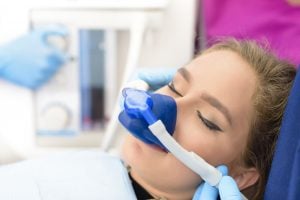
- Nitrous oxide: mild relaxation during treatment.
- Oral sedation: prescribed pill prior to the visit to reduce anxiety.
- IV sedation: adjustable medication delivered through an IV for deeper relaxation.
Learn more about oral sedation and other sedation dentistry options.
Who Can Be a Good Candidate for IV Sedation?
IV sedation may be a fit for patients who have significant anxiety, a strong gag reflex, difficulty getting numb, past traumatic dental experiences, or who need extensive dentistry such as crowns, bridges, extractions, or implant-related procedures. We will review your medical history and medication list to confirm whether IV sedation is appropriate for you.
Patients interested in rebuilding their smile may also want to explore restorative dentistry and dental implants.
Safety, Escorts, and Aftercare
Because sedation can affect coordination and alertness, you must have a responsible adult escort to drive you to and from your appointment. You should also plan to rest the remainder of the day and avoid alcohol or other sedating medications unless approved by your dentist or physician.
Important: Always follow the instructions provided by our dental team regarding eating and drinking before sedation, medications, and post-treatment care.
IV Sedation Dentistry for Different Patient Needs
IV Sedation for the Elderly
As we age, oral health plays a larger role in comfort, nutrition, speech, and confidence. Many older adults avoid dental visits due to anxiety, transportation challenges, or previous negative experiences. Sedation dentistry can help elderly patients receive needed care in a calmer, more comfortable way.
IV Sedation for the Disabled and Special Needs Patients
Patients with disabilities may face barriers to dental care, including difficulty with oral hygiene, strong gag reflex, dry mouth from medications, or anxiety in clinical settings. At A & A Family Dentistry, we work to provide compassionate care and a comfort-focused approach so patients can receive the dentistry they need.
IV Sedation for the Fearful
Dental phobia is real, and it keeps many people from scheduling appointments even when problems worsen. Fear of pain, needles, drills, gagging, or embarrassment are common reasons. IV sedation can allow you to complete treatment in a relaxed, sleep-like state with limited memory of the visit.
Frequently Asked Questions About IV Sedation
Will I be fully asleep with IV sedation?
Most patients are not fully asleep. IV sedation is often described as “twilight sedation” because you may drift in and out of sleep while remaining responsive. Many patients remember little to none of the procedure afterward.
How long does IV sedation last?
Timing depends on the medications used and your individual response. Many patients feel drowsy for several hours after the appointment, so you should plan to rest for the remainder of the day.
Do I need someone to drive me home?
Yes. You must have an escort to drive you to and from the office. You should not drive, walk home alone, or use public transportation by yourself after IV sedation.
Is IV sedation safe?
IV sedation is commonly used in dentistry and can be safe when properly planned and monitored. Your medical history and medications matter, and we will review them to confirm whether IV sedation is appropriate for you.
What dental procedures can be done with IV sedation?
IV sedation can be used for many procedures, including restorative dentistry, extractions, and longer visits where comfort is a priority. Your dentist will recommend the right approach based on your needs and treatment plan.
Schedule IV Sedation in Glendale, AZ
If anxiety, phobia, or discomfort has delayed your dental care, we can help you move forward with a comfort-first plan. Request an appointment today through our contact page, or review what to expect at your first visit and insurance information before you arrive.
Helpful Sedation Resource
For general information on sedation and dental safety, review the American Dental Association resource: Anesthesia and Sedation (ADA).

