Implant Retained Dentures Glendale AZ
Implant retained dentures in Glendale AZ offer a more secure and stable way to replace missing teeth than traditional dentures alone. At A & A Family Dentistry, implant-supported denture options can help improve chewing comfort, reduce denture movement, and give patients more confidence in everyday life.
Why Replace Missing Teeth with Implant Retained Dentures?
When teeth are missing, it is usually best for long-term oral health to replace them. Missing teeth can affect your bite, your ability to chew, and how clearly you speak. Tooth loss can also place added strain on the remaining teeth and may contribute to jaw discomfort, facial changes, and reduced confidence. Implant retained dentures are designed to provide a stronger, more stable alternative for patients who need full-arch tooth replacement.
Why Traditional Lower Dentures Can Be Frustrating
Many patients do reasonably well with an upper denture, but lower dentures are often more difficult to wear comfortably because the lower jaw provides less natural surface area for retention. That is why implant support is especially valuable for people missing all of their lower teeth. It can significantly reduce slipping and improve daily function.
Need More Information About Implant Retained Dentures? Call A & A Family Dentistry Phone Number 623-218-2222 Today
What If I’m Missing All of My Lower Teeth?
If you are missing all of your lower teeth, several implant-supported denture options may be available depending on your bone structure, treatment goals, and how much stability you want. Some options keep the denture removable for easier cleaning, while others offer a more fixed-feeling solution.
Ball Attachment Denture
One option is to place two implants in the lower jaw and create a denture that snaps onto those dental implants. This can make the lower denture more stable during chewing than a conventional lower denture alone. There can still be some movement, and food particles may occasionally cause sore spots, but it is often a major improvement over a traditional lower denture. Periodic appointments for denture adjustment are still important.
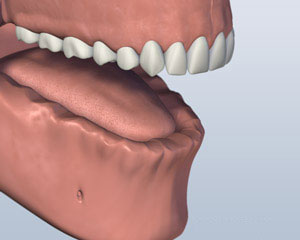
1. Before
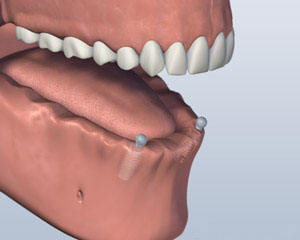
2. Implants Placed
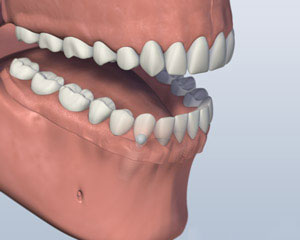
3. Denture Attached
Bar Attachment Denture
Another option involves placing four to six implants in the lower jaw and connecting them with a custom support bar. The denture is then made with internal retention clips that attach to the bar, allowing it to snap into place more securely. This overdenture option is usually more stable than a two-implant ball attachment and allows very little denture movement while still remaining removable for cleaning and maintenance.
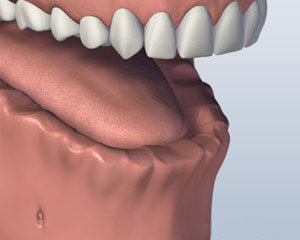
1. Before
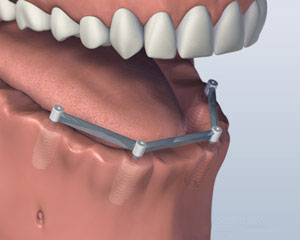
2. Implants Placed
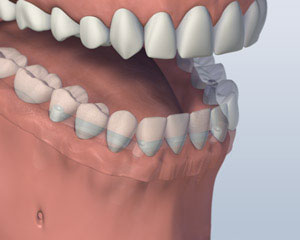
3. Denture Attached
Screw Retained Denture
A third option involves placing five or more implants and attaching a more fixed denture that is secured by screws or a support structure. This type of prosthesis does not rest directly on the gum tissue the same way a removable denture does, and it is usually not removed except during maintenance visits. It can offer a more permanent feel, though cleaning underneath it takes more time and dexterity.
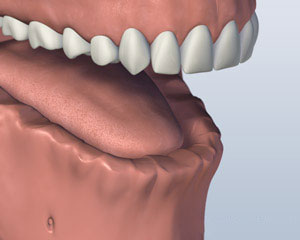
1. Before
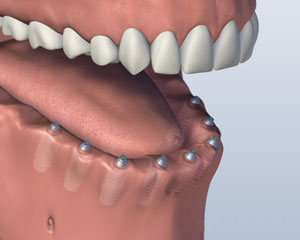
2. Implants Placed
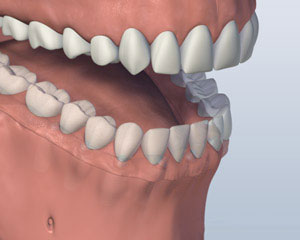
3. Denture Attached
What If I’m Missing All of My Upper Teeth?
Upper implant retained dentures are also available, although treatment often requires more implants because upper jawbone is usually softer than lower jawbone. In some cases, implant support may make it possible to avoid covering the roof of the mouth with a full denture base. That can improve comfort, create a more natural feel, and allow better taste and temperature perception while still keeping the restoration removable for cleaning.
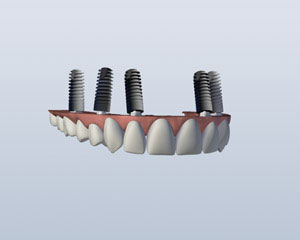
Implant Retained Upper Denture
Depending on the number and placement of implants, an upper implant retained denture may reduce the amount of acrylic needed across the palate. This can make the denture feel less bulky and more natural while still allowing the appliance to be removed for hygiene when appropriate.
Benefits of Implant Retained Dentures
- Improved stability during eating
- Reduced slipping and movement compared to traditional dentures
- Better confidence in speaking and smiling
- Improved support for long-term comfort
- Potential bone preservation benefits
- Better overall function for many full-arch patients
Why Stability Changes the Experience
For many denture wearers, the biggest issue is movement. When a denture shifts during chewing or speaking, everything starts to feel less predictable. Implant retention can make the denture feel far more dependable, which is why many patients see this as a major quality-of-life upgrade rather than just a technical dental option.
Implant Retained Dentures vs. Traditional Dentures
Traditional dentures remain a good option for many patients, but implant retained dentures may offer better security and function. Patients who are comparing removable options may also want to look at immediate dentures if extractions are coming soon, or partial dentures if some healthy natural teeth remain.
Who May Be a Good Candidate for Implant Retained Dentures?
Patients who are missing all teeth in the upper or lower arch, struggle with loose dentures, or want a more stable replacement option may be candidates for implant retained dentures. Candidacy depends on bone availability, oral health, overall medical history, and treatment goals. Some patients may also require preparatory procedures such as bone grafting for implants before moving forward.
Maintenance Still Matters
Even though implant retained dentures are more secure, they still require regular maintenance and professional follow-up. Components can wear, tissue conditions can change, and periodic evaluations are important to keep everything functioning well. According to the American Dental Association, dentures and implant-supported options both require ongoing monitoring to help maintain oral health and fit.
Frequently Asked Questions About Implant Retained Dentures
Are implant retained dentures removable?
Some are removable and some are designed to stay in place except during professional maintenance visits. The right option depends on your treatment plan.
How many implants are needed for implant retained dentures?
It depends on the type of denture, your jaw shape, and whether the restoration is removable or more fixed. Some lower overdentures use two implants, while more advanced options may use four, five, or more.
Are implant retained dentures better than regular dentures?
For many patients, they offer better retention, comfort, and chewing stability than traditional dentures alone.
Can implant retained dentures be used for upper teeth too?
Yes. Upper implant retained dentures are possible, although they often require more implants than lower cases.
Do implant retained dentures need maintenance?
Yes. Even stable implant-supported dentures require checkups, cleaning, and occasional adjustments over time.
Looking for implant retained dentures in Glendale AZ? Contact A & A Family Dentistry through our contact page or use the online scheduling form to request a consultation.

